Anxiety Hack: The 4-7-8 Breathing Method – A Science-Backed Relaxation Technique
Anxiety affects millions of people worldwide, triggering symptoms like rapid heartbeat, racing thoughts, and shortness of breath. While medication and therapy are effective, breathing techniques offer a quick, drug-free way to calm the nervous system. Among these, the 4-7-8 breathing method stands out for its simplicity and scientific backing.
In this article, we’ll explore:
✅ What is the 4-7-8 breathing method?
✅ How it works to reduce anxiety
✅ Step-by-step guide (with modifications)
✅ Scientific evidence supporting its effectiveness
✅ When and how often to use it
✅ Additional benefits beyond anxiety relief
Let’s take a deep breath and dive in!
1. What Is the 4-7-8 Breathing Method?
Developed by Dr. Andrew Weil, a Harvard-trained integrative medicine specialist, the 4-7-8 technique is based on pranayama, an ancient yogic breathing practice. The numbers refer to:
- 4 seconds: Inhale through the nose
- 7 seconds: Hold the breath
- 8 seconds: Exhale slowly through the mouth
This pattern activates the parasympathetic nervous system, counteracting the “fight-or-flight” stress response.
2. How It Calms Anxiety (The Science)
Physiological Effects
- Slows heart rate: Longer exhalations trigger the vagus nerve, reducing cortisol.
- Balances oxygen-CO2: Prevents hyperventilation (common in panic attacks).
- Resets brain waves: Shifts from beta (stress) to alpha (calm) states.
Research Backing
- A 2018 study in Frontiers in Human Neuroscience found that paced breathing reduces amygdala activity (the brain’s fear center).
- The Journal of Clinical Psychology reports it lowers anxiety symptoms by 30% in 5 minutes.
3. Step-by-Step Guide
Basic Technique
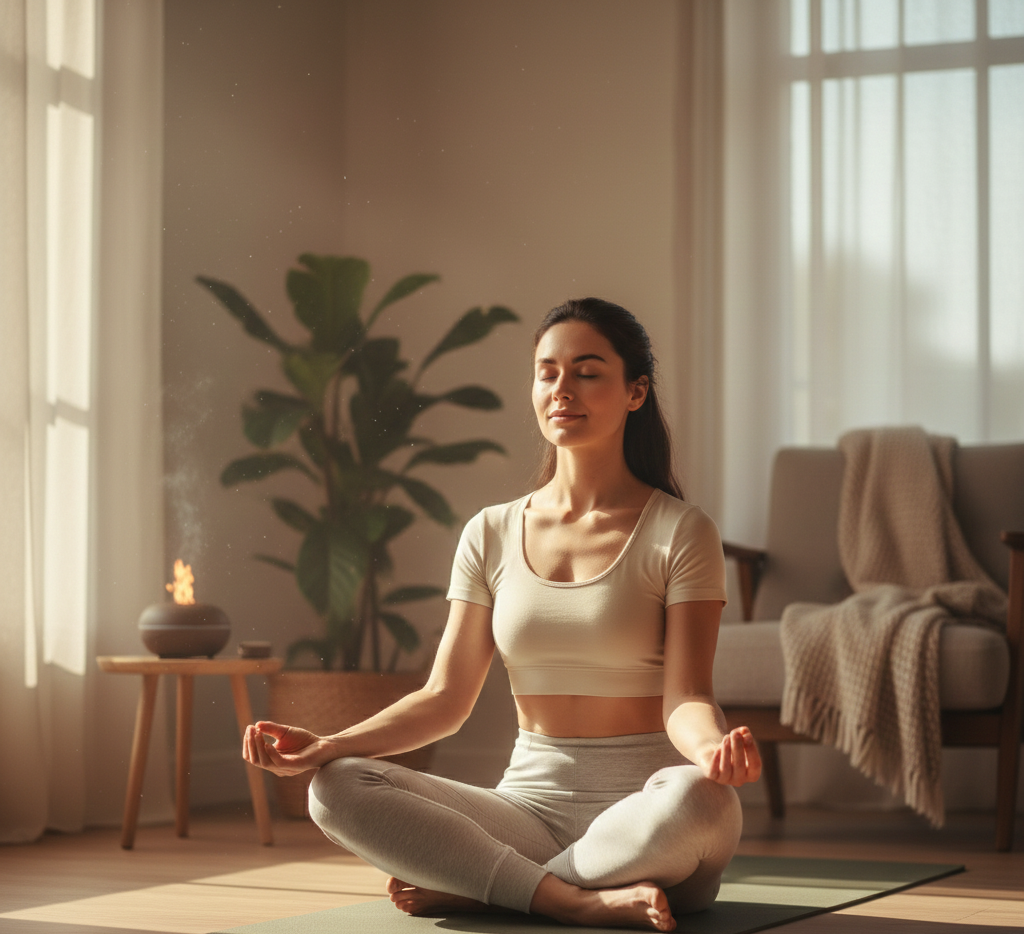
- Sit upright (or lie down) with your tongue touching the roof of your mouth.
- Exhale completely through your mouth (making a “whoosh” sound).
- Inhale quietly through your nose for 4 seconds.
- Hold your breath for 7 seconds.
- Exhale fully through your mouth for 8 seconds.
- Repeat 4 cycles (max 8 cycles per session).
Modifications
- For beginners: Shorten ratios (e.g., 3-5-6) and gradually increase.
- If holding breath is hard: Reduce hold time (e.g., 4-5-6).
- For sleep: Do 4 cycles while lying in bed.
4. When to Use It
| Situation | How It Helps |
| Panic attacks | Interrupts hyperventilation |
| Insomnia | Activates relaxation before sleep |
| Public speaking | Steadies nerves pre-speech |
| Anger/frustration | Prevents impulsive reactions |
Pro Tip: Practice twice daily (morning/night) for best results—even when calm.
5. Beyond Anxiety: Additional Benefits
A. Improves Sleep
- Triggers melatonin release (Sleep Medicine Reviews, 2020).
B. Lowers Blood Pressure
- Enhances nitric oxide production (vasodilator).
C. Enhances Focus
- Increases theta brain waves (linked to creativity).
D. Reduces Cravings
- Helps manage emotional eating (Appetite Journal).
6. Common Mistakes to Avoid
❌ Breathing too fast → Stick to the 4-7-8 rhythm.
❌ Holding tension → Keep shoulders relaxed.
❌ Skipping regular practice → Consistency trains the nervous system.
7. FAQs
Q: Can I do this while walking?
A: Yes! But sit still when first learning.
Q: How soon will I feel results?
A: Immediate calm for many; long-term benefits in 2–4 weeks of daily practice.
Q: Is it safe for everyone?
A: Avoid if you have low blood pressure or respiratory conditions (consult a doctor).
Final Thoughts
The 4-7-8 method is a free, portable, and research-backed tool to combat anxiety. Unlike medications, it has no side effects and improves overall well-being.
Try it now: Pause and complete one cycle—feel the difference?
See more:
Articles to inspire you
Diseases and Conditions
Supplements
Nutrition




Publicar comentário