Signs Your Period Is Coming: 15 Symptoms & How to Manage Them
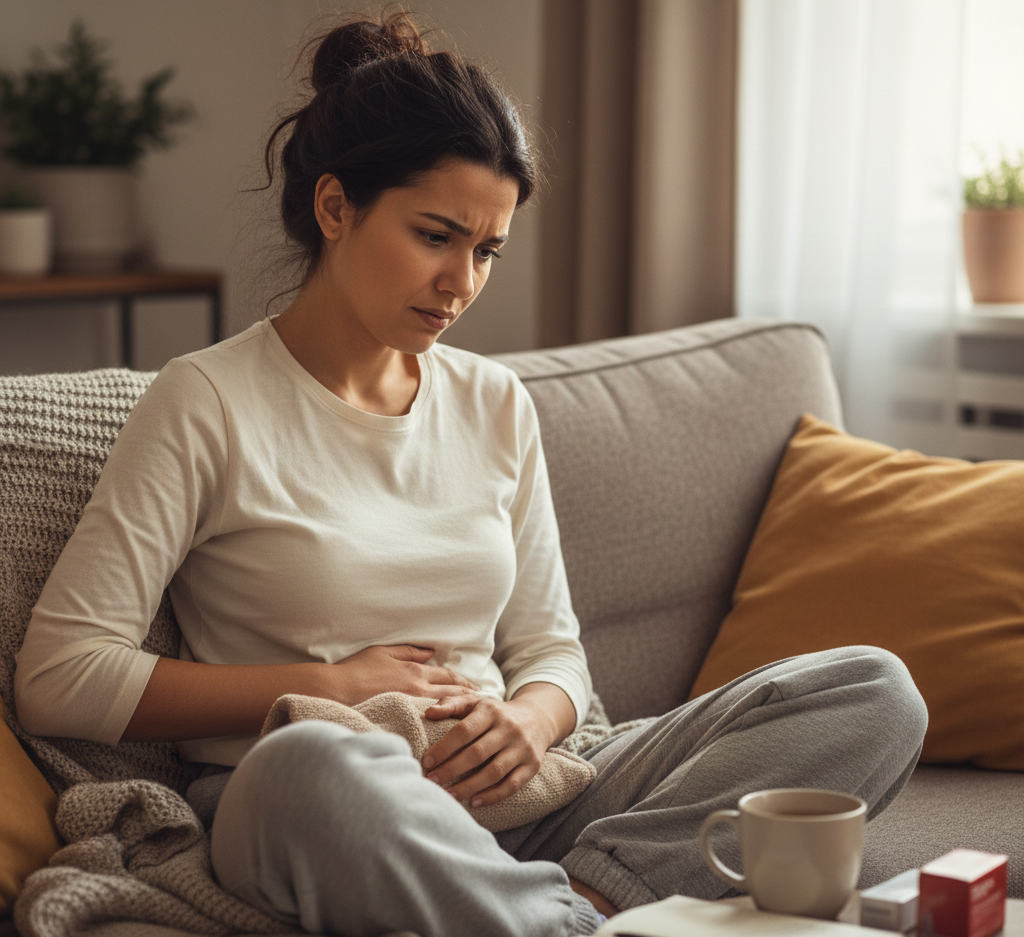
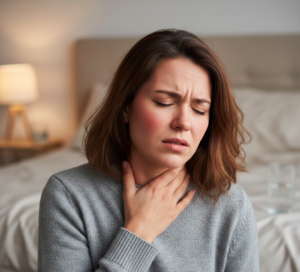
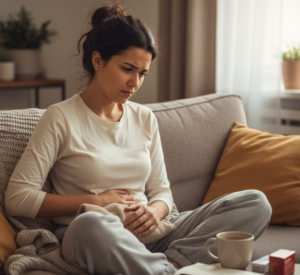
For many women, the days leading up to menstruation come with noticeable physical and emotional changes. Known as premenstrual syndrome (PMS), these symptoms affect up to 90% of women at some point in their lives. Recognizing these signs can help you prepare and manage discomfort effectively.
In this comprehensive guide, we’ll cover:
✅ 15 common symptoms your period is approaching
✅ Why these changes happen (hormonal causes)
✅ PMS vs. PMDD (more severe symptoms)
✅ Lifestyle tips to ease discomfort
✅ When to see a doctor
1. Hormonal Changes: Why PMS Happens
Before your period starts, hormonal fluctuations trigger symptoms:
- Estrogen and progesterone drop sharply after ovulation.
- Serotonin levels dip, affecting mood.
- Prostaglandins rise, causing cramps.
These shifts typically begin 1–2 weeks before menstruation (the luteal phase) and resolve once bleeding starts.
2. 15 Signs Your Period Is Coming
🔴 Physical Symptoms
1. Breast Tenderness
- Why? Hormonal shifts cause milk ducts to swell.
- Relief: Wear a supportive bra, reduce caffeine.
2. Bloating & Water Retention
- Why? Progesterone slows digestion.
- Relief: Drink more water, avoid salty foods.
3. Cramps (Dysmenorrhea)
- Why? Prostaglandins make the uterus contract.
- Relief: Heat pads, magnesium supplements.
4. Fatigue
- Why? Lower iron (post-bleeding) + serotonin drop.
- Relief: Prioritize sleep, eat iron-rich foods.
5. Headaches or Migraines
- Why? Estrogen withdrawal affects blood vessels.
- Relief: Peppermint oil, hydration.
6. Acne Breakouts
- Why? Androgens spike oil production.
- Relief: Non-comedogenic skincare.
7. Food Cravings
- Why? Serotonin drop drives sugar cravings.
- Relief: Dark chocolate, nuts (healthy fats).
8. Joint or Muscle Pain
- Why? Inflammation from prostaglandins.
- Relief: Anti-inflammatory foods (ginger, turmeric).
🟣 Emotional & Cognitive Symptoms
9. Mood Swings
- Why? Serotonin and GABA fluctuations.
- Relief: Deep breathing, journaling.
10. Irritability
- Why? Lower estrogen affects dopamine.
- Relief: Reduce stressors, take breaks.
11. Anxiety or Depression
- Why? Hormones impact neurotransmitters.
- Relief: CBD oil, therapy (if severe).
12. Trouble Concentrating
- Why? “Brain fog” from hormonal shifts.
- Relief: Short walks, omega-3s.
13. Insomnia
- Why? Progesterone affects sleep cycles.
- Relief: Chamomile tea, cool room.
⚪ Other Signs
14. Changes in Discharge
- Creamy white discharge appears post-ovulation.
15. Bowel Changes
- Diarrhea or constipation from prostaglandins.
3. PMS vs. PMDD: When Symptoms Are Severe
| PMS | PMDD |
| Mild-moderate symptoms | Debilitating emotional/physical symptoms |
| Resolves with period | Requires medical treatment (SSRIs, birth control) |
| 90% of women experience | Affects 5–8% of women |
PMDD warning signs:
- Suicidal thoughts
- Panic attacks
- Extreme fatigue
4. How to Relieve PMS Naturally
Diet Adjustments
- Eat: Leafy greens, salmon, bananas (magnesium + B6).
- Avoid: Alcohol, processed foods, excess salt.
Lifestyle Tips
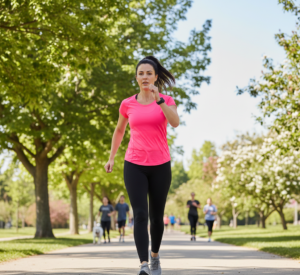
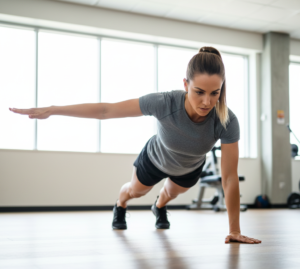
- Exercise: Yoga reduces cramps by 50%.
- Sleep: Aim for 7–9 hours to balance cortisol.
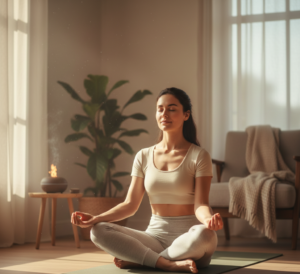
- Stress management: Meditation lowers inflammation.
Supplements
- Magnesium glycinate: 300mg/day for cramps.
- Vitamin B6: Supports serotonin production.
- Chasteberry (Vitex): Balances hormones.
5. When to See a Doctor
Consult a healthcare provider if you experience:
- Symptoms that disrupt daily life
- No relief from OTC meds
- Irregular cycles (missed periods)